
ABOUT NITHIN K S
Good Systems Start With
Understanding The Business
Applying a decade of rigorous UX/UI product methodology directly to core business operations. I engineer clean, fault-tolerant internal workflows that remove operational drag, empower lean teams, and anchor execution in strategic logic.
Direct strategic consultation • Strict capacity • 30-min discovery

Nithin K S UX Architect & Systems Consultant
CAREER EVOLUTION
From Designing Experiences To
Designing Work
My work began where most digital design begins: obsessing over micro-interactions, conversion funnels, and component states. At companies like Shiprocket and Omuni, I spent years refining how users interact with screens: architecting logistics dashboards, streamlining checkout surfaces, and crafting interfaces that felt effortless to touch. We solved for cognitive load, edge cases, and visual balance.
Yet as systems expanded, a recurring pattern became impossible to ignore: the most painful user experiences rarely originated in poor UI. They were direct downstream casualties of broken internal machinery. When an order stalled, when inventory fell out of sync, or when customer operations scrambled across disconnected spreadsheets, no amount of pixel polish could salvage the outcome. The interface was merely the glass through which the chaos was viewed.
That realization shifted my entire craft. Today, I apply the exact same human-centered rigor not to customer-facing screens, but to the operational architecture behind them. Mapping an enterprise workflow requires the same discipline as designing a checkout flow: identifying bottlenecks, eliminating redundant steps, and aligning tools around human behavior. Designing how a business actually works is simply product design turned inward.
OPERATIONAL FOUNDATION
The System Matters More
Than The Tool
Software stacks change constantly, but operational physics remain consistent. Four foundational principles that govern how reliable, high-yield business systems are architected.
Understand Before Automating
Automation only accelerates existing workflows. If a process is ambiguous or broken, applying software simply generates faster chaos. Deep diagnosis and operational clarity must always precede tool configuration.
Design Around the Work
Software must adapt to human operations, not the other way around. Systems engineered around authentic behavioral patterns and natural handoffs produce lasting team adoption instead of quiet circumvention.
Connect the Customer Journey
Siloed tools fracture institutional context. A disciplined architecture bridges acquisition, pipeline velocity, and client fulfillment into an integrated, single-source operational loop.
Keep Complexity Intentional
The most durable systems operate with the minimum viable surface area. Every webhook, conditional branch, and custom field adds maintenance debt. Introduce complexity only when it generates verified leverage.
OPERATIONAL FRAMEWORK
A Practical Approach To
Improving Operations
01
Diagnose
Map end-to-end information flow, audit fragmented tooling, and isolate hidden points of friction before prescribing any software or structural change.
02
Design
Architect unified data schemas, define clear cross-functional handoffs, and establish deliberate automation rules that eliminate manual overhead.
03
Implement
Execute modular rollouts, document precise standard operating systems, and stress-test every workflow to ensure immediate and durable team adoption.
The objective is not to automate everything. It is to make important work easier to see, manage, and improve.
CONNECTED DISCIPLINES
Where Design, Systems, And
Automation Meet
Sustainable growth requires synchronizing customer touchpoints directly with backend data architecture. Rather than treating design, tooling, and workflows as fragmented projects, each discipline reinforces the next to eliminate operational friction and deliver scalable execution.
01 / ARCHITECTURE
Business Systems
Structuring clean data schemas, operational hubs, and verified single sources of truth. Eliminates redundant manual updates and creates structured transparency across team handoffs.
02 / LIFECYCLE
Customer Journeys
Diagnosing drop-off points across acquisition, onboarding, and ongoing account management. Converts behavioral signals into clear, responsive user interactions and reduced churn.
03 / INFRASTRUCTURE
Automation & Integrations
Engineering reliable event-driven data bridges between CRM, billing, and fulfillment layers. Replaces fragile human patch-jobs with audited, high-throughput automated execution.
04 / INTERFACE
Product & UX Design
Designing high-utility software interfaces, customer portals, and internal consoles. Prioritizes cognitive clarity, atomic design consistency, and immediate responsiveness.
EVIDENCE OF EXECUTION
The Work Makes The
Approach Concrete
Selected production deployments showcasing architectural rigor across mission-critical workflows.
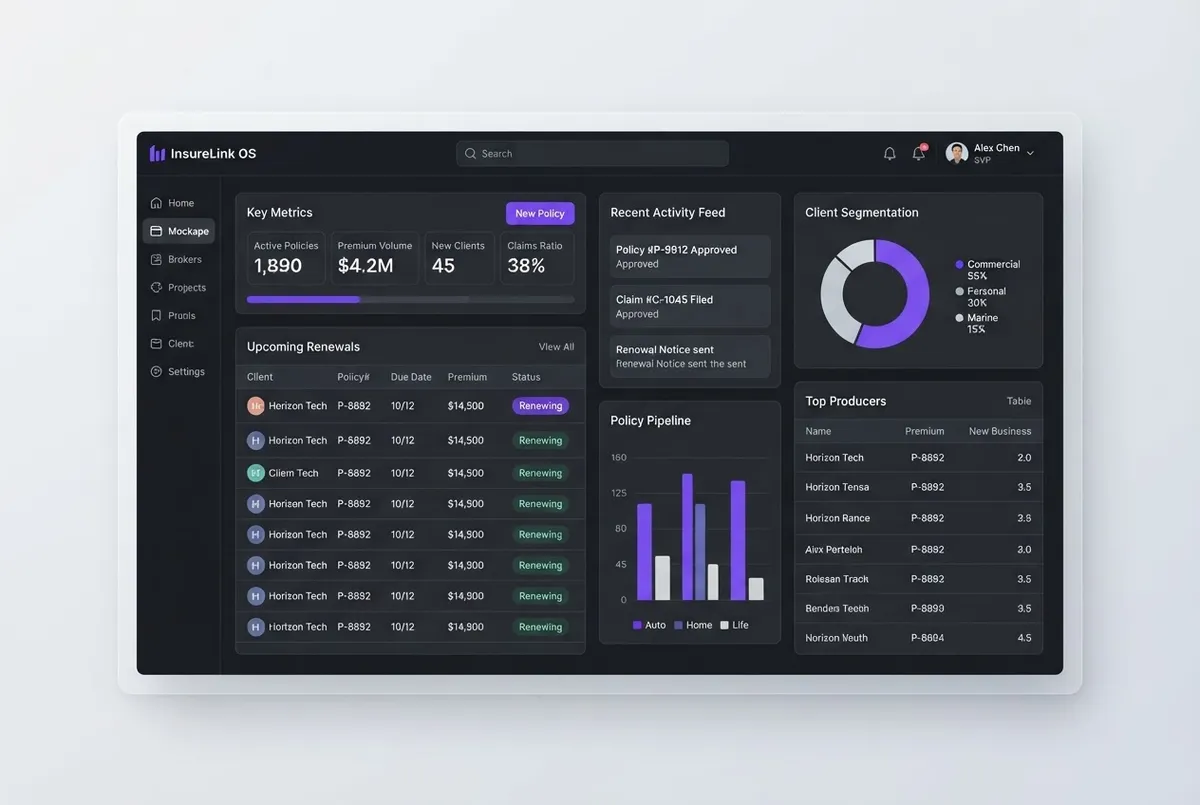
OPERATIONAL OS
Insurance Brokerage OS
Replaced four fragmented legacy tools with a unified broker operations cockpit, consolidating policy dispatch, policyholder records, and automated compliance.
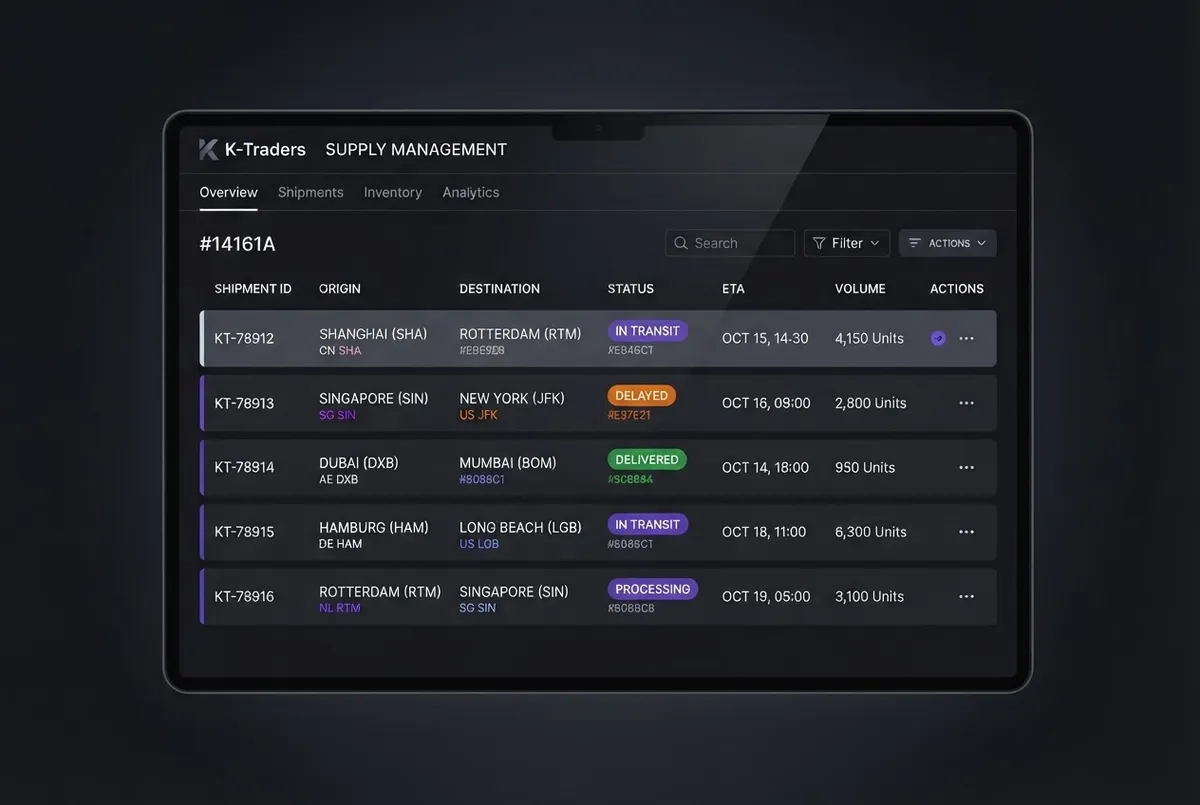
B2B COMMERCE INFRASTRUCTURE
K-Traders
Engineered automated multi-tier vendor order routing, live ledger synchronization, and structured catalog governance for cross-regional distribution.
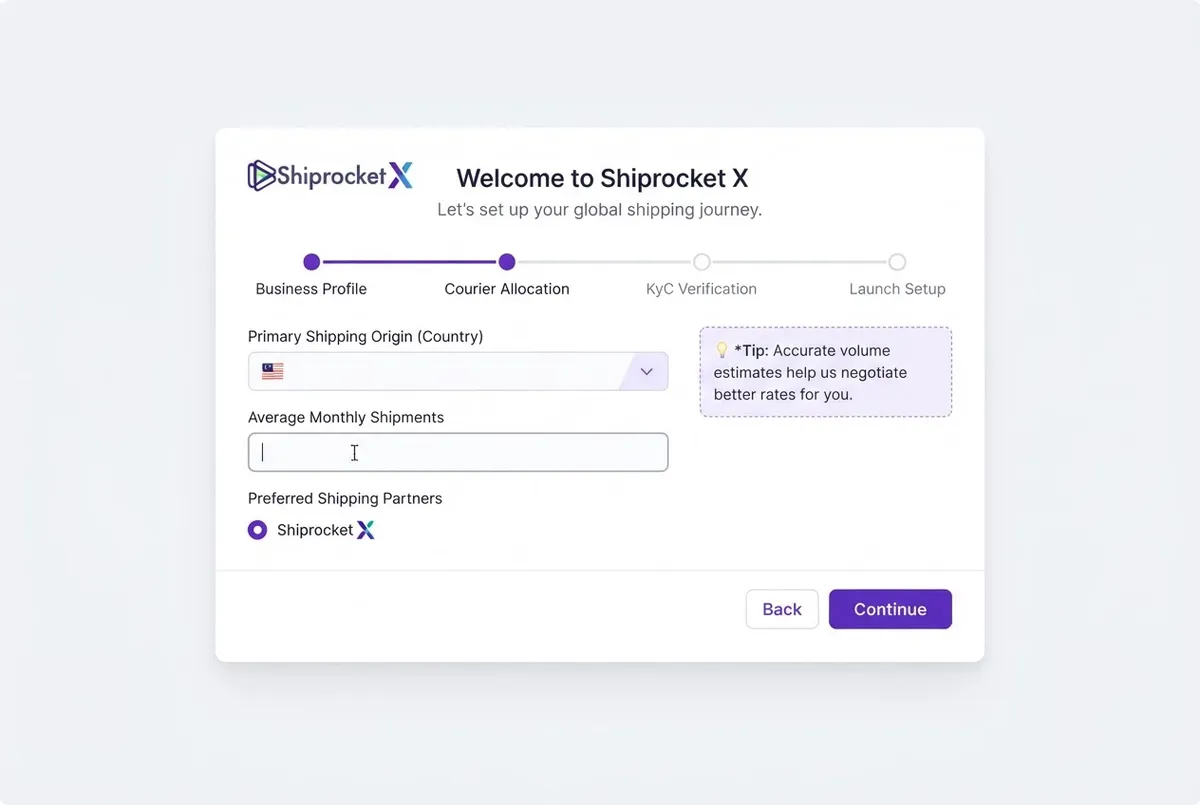
GLOBAL LOGISTICS PLATFORM
Shiprocket X
Restructured international customs documentation workflows and clearance pipeline tracking to cut transit exceptions and merchant operational friction.
Direct systemic evidence across high-stakes operations
PRACTICE & AFFILIATION
Independent Practice.
Systems-First Thinking.
This personal practice functions exclusively as an independent systems consultancy. Engagements here center on high-level architecture, diagnostic reviews, UX systems design, and operational governance. All strategic advice remains strictly uncoupled from agency overhead or retainer lock-in.
When clients require full-scale technical implementation, custom software builds, or ongoing engineering support, execution is managed directly through NoCodeBoss. Operating as a specialized production firm with autonomous engineering teams, NoCodeBoss maintains dedicated contracts and separate operational SLA agreements.
Independent Advisory Entity · Separate Execution Arm
NEXT STEPS
Have A Business Process That
Needs A Better System?
Start with the problem you are trying to solve. We can examine how the work happens today and determine what kind of improvement makes sense.
Direct consultation : Diagnostic review : No obligations

Nithin K S
Architectural clarity, product engineering, and business systems logic.
© 2026 NKS. All rights reserved. System built and verified on NoCodBoss.