
BUSINESS SYSTEMS · PROCESS DESIGN · AUTOMATION
Build The Systems Your Business Needs
Adding another app or isolated automation rarely resolves structural operational friction. We design cohesive, accountable system architectures that align workflows, eliminate manual drag, and scale revenue cleanly.
Direct Founder Advisory · No Junior Handoffs · 30-Minute Scoping Call
OPERATIONAL DIAGNOSIS
Where Systems Make A Difference
Organizations encounter structural plateaus when manual workflows, scattered databases, and unwritten operational habits create hidden friction. Here is where disciplined architecture replaces cognitive overload.
SITUATION 01
Inconsistent Follow-Up & Pipeline Decay
High-value inquiries enter the pipeline but decay rapidly because touchpoints rely entirely on memory and calendar reminders rather than predictable automated sequences.
POTENTIAL WORK
- Multi-channel inquiry capture and auto-assignment engine
- Status-triggered reminder loops for stalled opportunities
- Immediate escalation alerts on uncontacted prospects
SITUATION 02
Disconnected Tools & Redundant Entry
Staff spend hours copying customer variables from web forms into spreadsheets and billing tools, introducing human entry error and creating conflicting customer records.
POTENTIAL WORK
- Two-way synchronization between CRM and invoicing tools
- Automated data normalisation across operational apps
- Single source-of-truth customer profile architecture
SITUATION 03
Tribal Knowledge & Unstable Handoffs
Key execution steps and client onboarding paths exist only in team members' heads. When key personnel take leave or shift tasks, service delivery quality varies widely.
POTENTIAL WORK
- Standardized project onboarding triggers and asset delivery
- Role-agnostic operational check-lists and auto-task generation
- Automated milestone tracking for client-facing visibility
SITUATION 04
Blind Spots in Capacity & Velocity
Leadership cannot reliably forecast project bandwidth or pipeline conversion rates because operational health metrics must be manually compiled each week.
POTENTIAL WORK
- Automated operational reporting and real-time alerts
- Dynamic team capacity and project throughput monitoring
- Executive analytics pulling directly from live pipelines
OPERATIONAL SCOPE & ARCHITECTURE
The Systems Behind The Work
Four practical engineering pillars deployed to eradicate operational drag, eliminate disconnected data silos, and establish dependable infrastructure for growth.
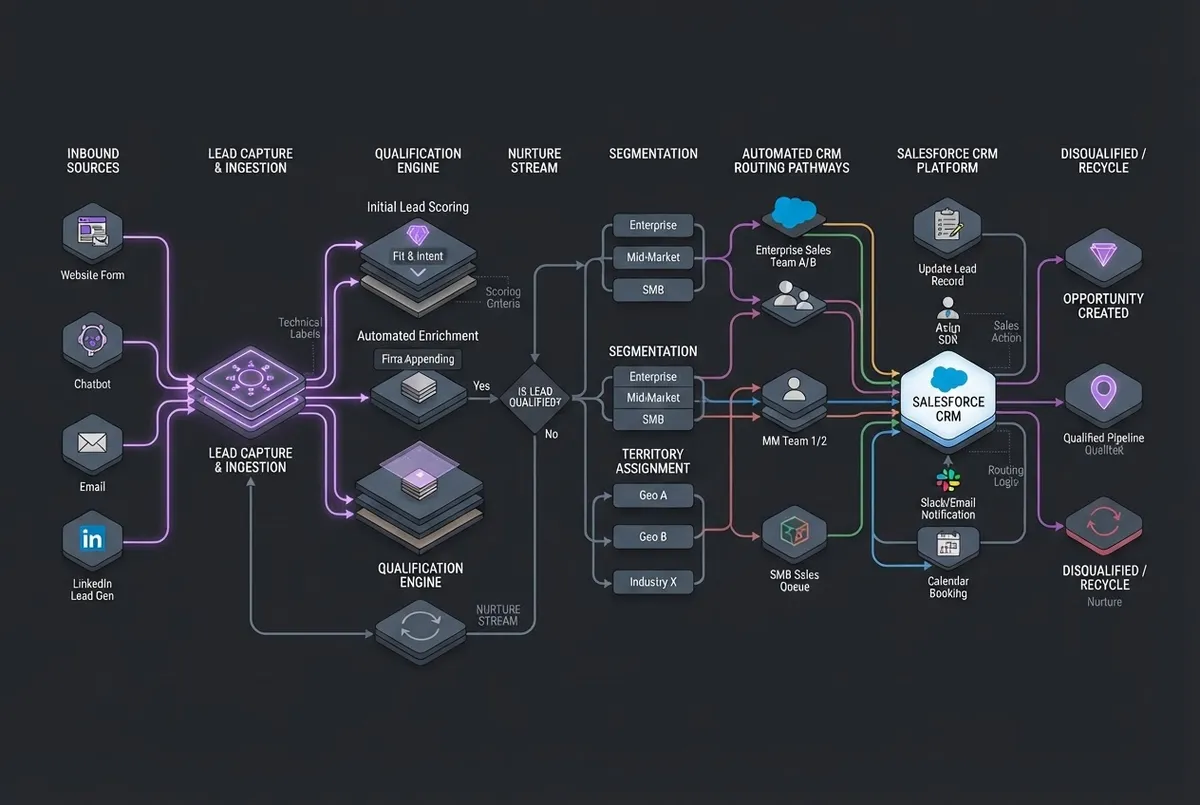
01 / PIPELINE INFRASTRUCTURE
Customer Acquisition & Lead Management
End-to-end inbound capture pipelines configured to score intent programmatically, validate submission criteria, and disburse prospective leads into prioritized representative queues without manual triaging friction.
- Conditional qualification gates that filter unqualified submissions instantly
- Deterministic round-robin routing integrated directly with calendar availability
- Bi-directional CRM synchronization with automated campaign attribution
02 / ACTIVATION ARCHITECTURE
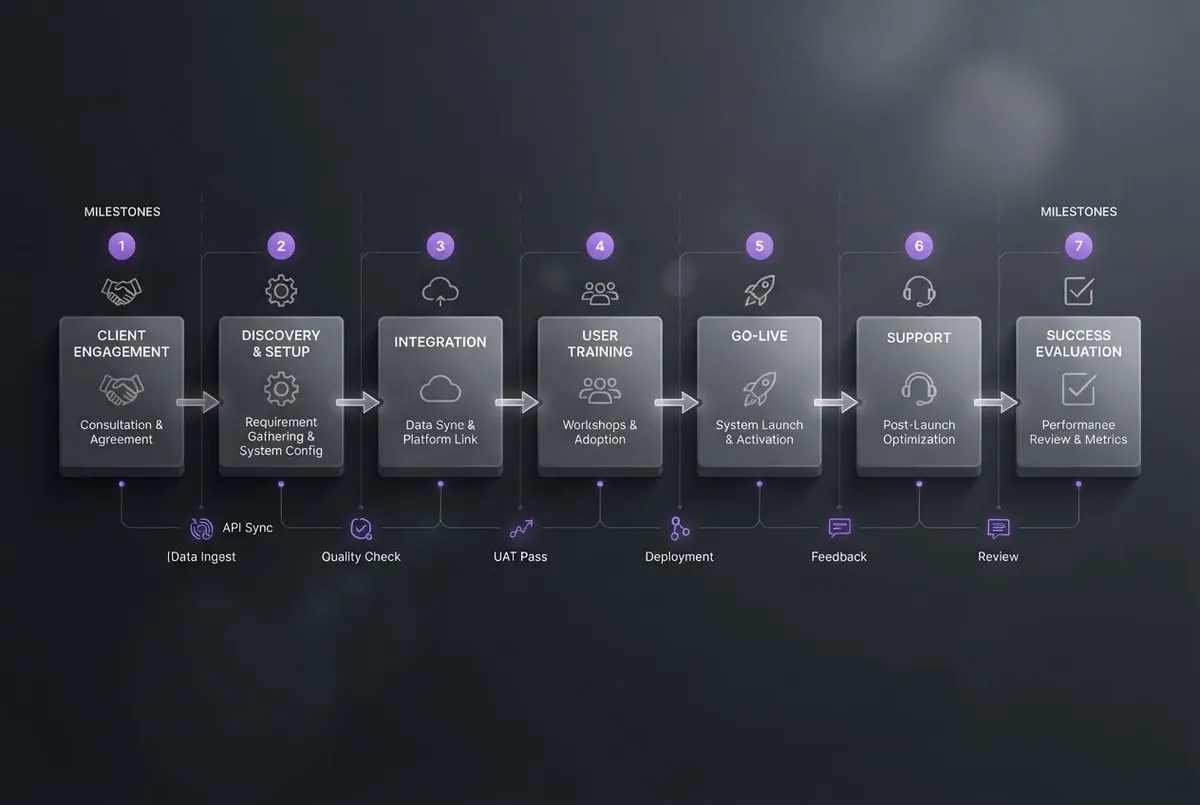
Onboarding Systems & Lifecycle Retention
Preventing client drop-off during the critical post-handshake phase through automated kickoff roadmaps, transparent milestone visibility, and systematic telemetry that detects stalled accounts before churn sets in.
- Standardized kickoff sequences with asset collection checklists
- Automated usage and engagement alerts triggering proactive outreach
- Structured operational reviews that document recurring commercial value
03 / BACKEND CONNECTIVITY
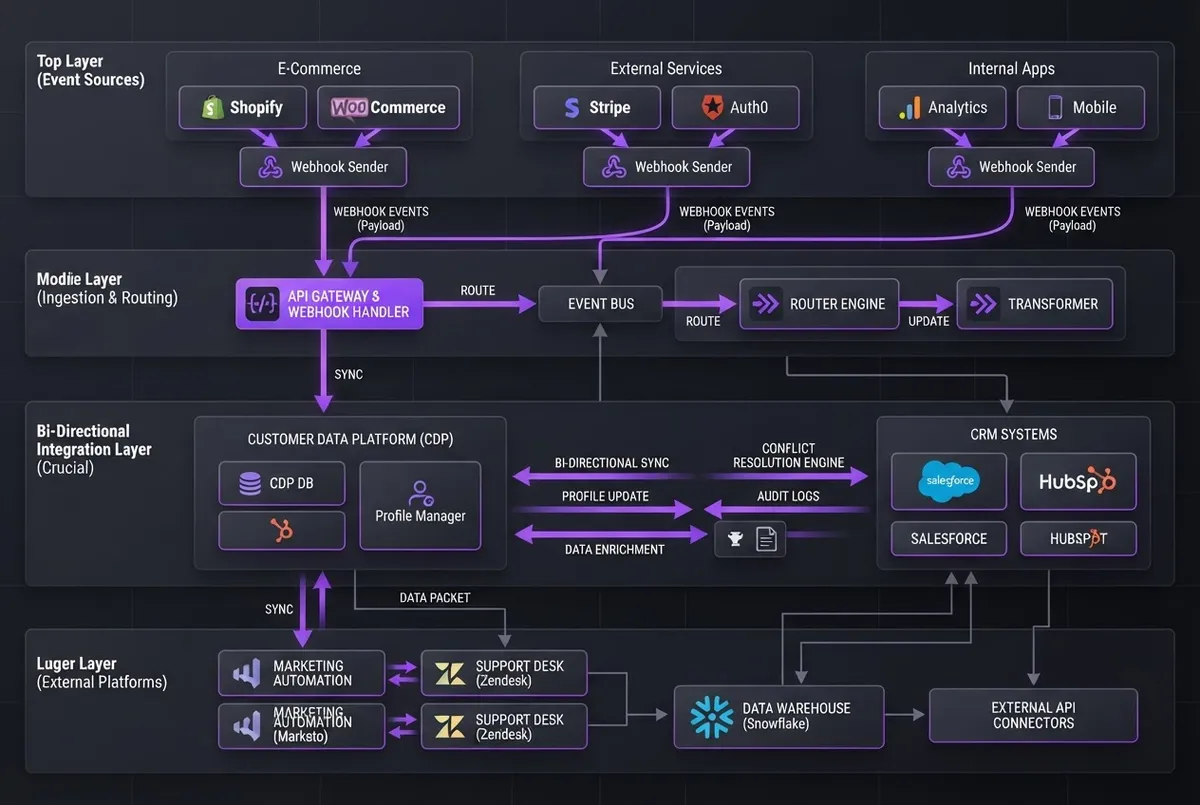
Data Synchronization & API Integration
Unifying disparate software tools into clean, self-recovering data streams. Replacing fragile manual CSV exports and ad-hoc scripts with fault-tolerant webhooks, verified payload contracts, and central data normalization.
- Fault-tolerant webhooks equipped with automated retry mechanisms
- Unified single source of truth across billing, CRM, and task tools
- Real-time event logging and exception notifications via team channels
04 / INTERACTION DESIGN
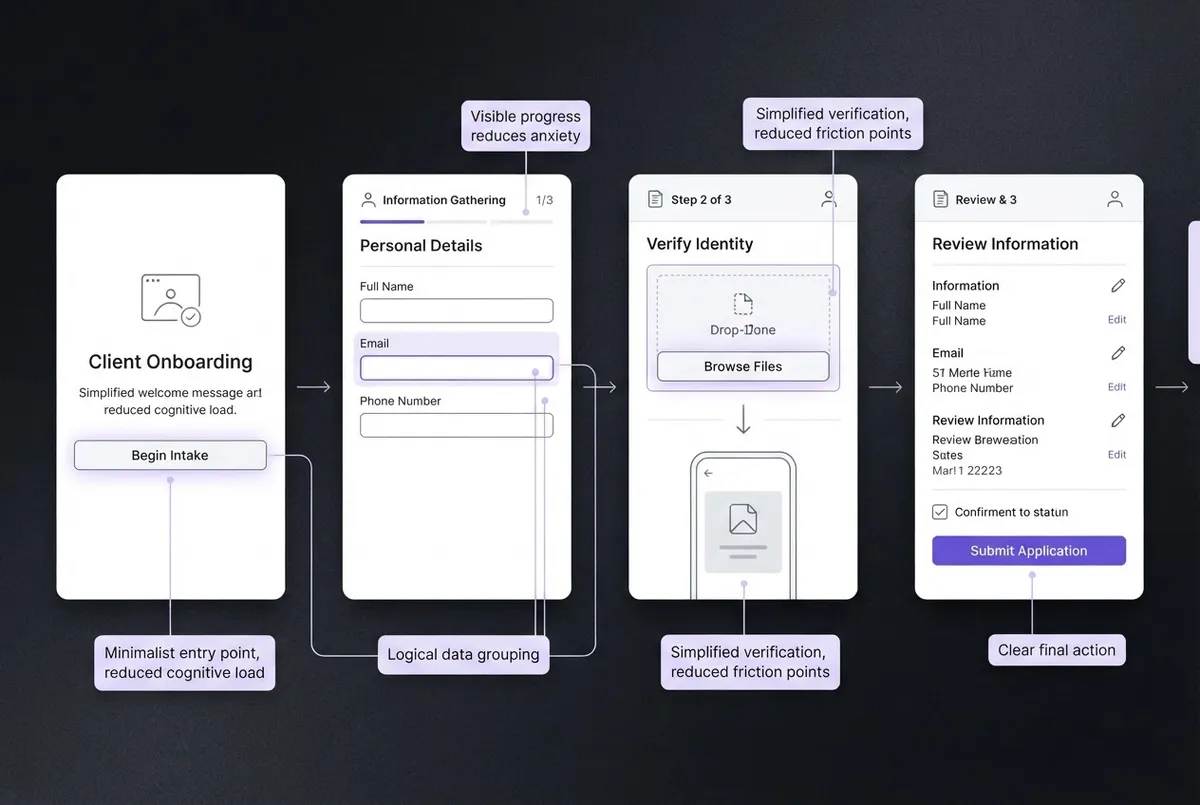
User Experience & Frictionless Journeys
Translating robust business capability into human-centered customer pathways. Eliminating unnecessary form fields, simplifying decision branches, and reducing cognitive overhead across client-facing interfaces.
- Multi-step modular intake forms structured around user completion velocity
- Clear visual feedback and status states eliminating procedural uncertainty
- Responsive interface patterns optimized for operational speed and zero drop-off
ENGAGEMENT METHODOLOGY
Understand The Problem Before Choosing
Tool-first implementations consistently fail. We run a structured sequence to isolate operational bottlenecks, design purposeful architecture, and deploy sustainable automations.
Diagnose
Understand the business context, current workflow, constraints, and the outcome you want to improve—before choosing tools or automation.
Design
Define the process, system structure, responsibilities, and a practical implementation approach sized to the real requirement.
Implement
Configure the agreed system, test key scenarios, and document the operating steps so the team can use and maintain it.
Direct consultation with systems architect. No generic sales pressure.
PORTFOLIO & SYSTEM EVIDENCE
Evidence From Selected Work
Documented operational solutions and verified architecture built to resolve high-friction business operations without vanity metrics or superficial redesigns.
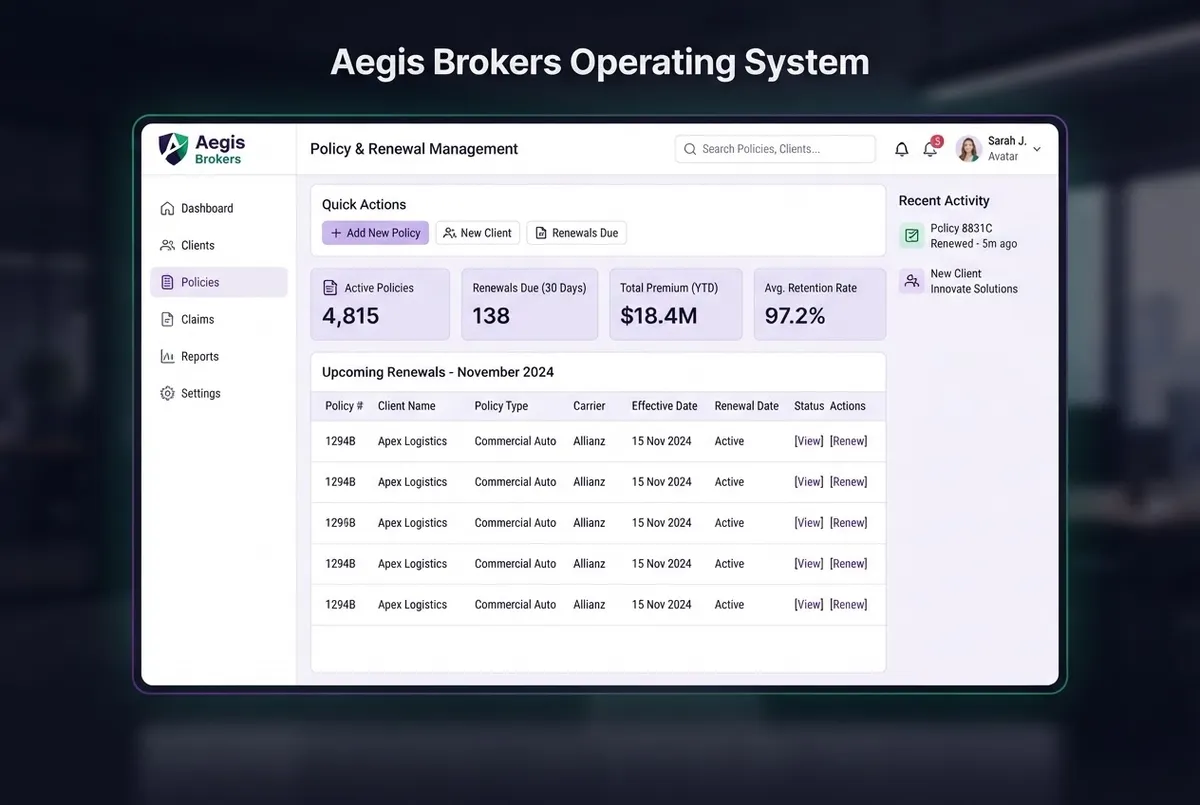
WORKING DEMO
Insurance Brokerage Operating System
Replaced fragmented spreadsheet handoffs with a unified policy underwriting ledger, standardizing status validation across multiple broker tiers.
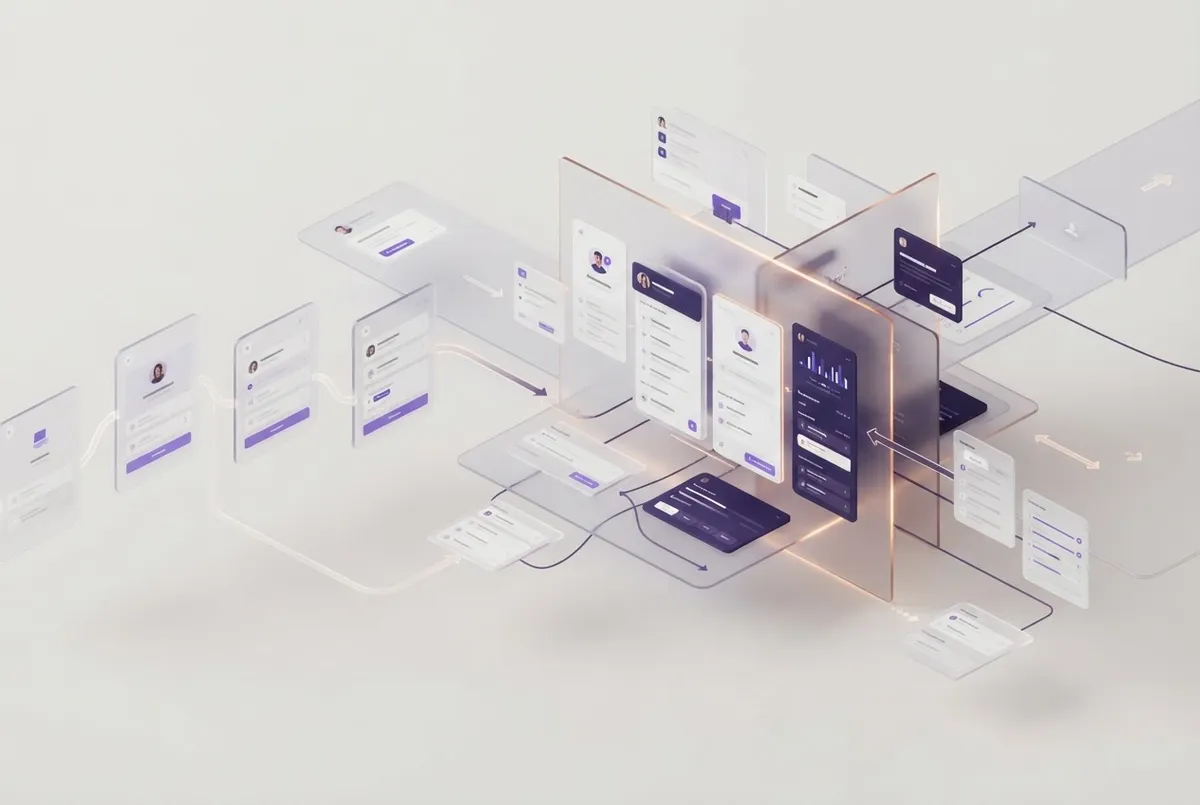
ENTERPRISE UX REDESIGN
Shiprocket Logistics UX Architecture
Restructured high-density merchant dashboard patterns, cutting exception discovery overhead and clarifying critical multi-carrier transit states.
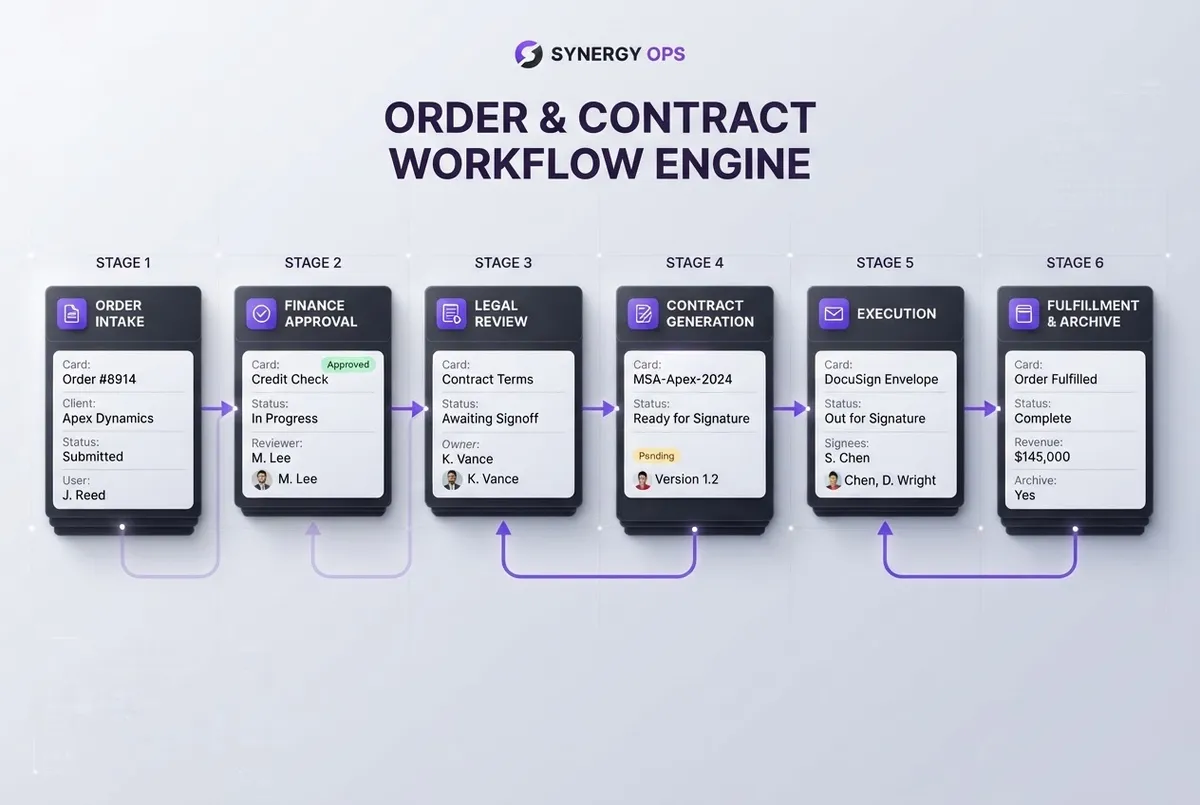
SYSTEM DEPLOYMENT
Contract Lifecycle Automation Engine
Constructed asynchronous escalation pipelines across legal and sales stakeholders, eliminating manual chase loops in quarterly enterprise approvals.
Demonstrated system architecture reviews available on consultation.
CLARITY & ENGAGEMENT
Frequently Asked Questions
Choosing the right architecture should not feel like an insurmountable leap. We resolve technical ambiguity early, ensuring your stack supports lean operations without lock-in or unnecessary bloat.
Do I need to know which software or tools we need before reaching out?
Not at all. Most clients come with operational bottlenecks rather than a pre-selected software list. We diagnose the functional problem first, then recommend or configure the most cost-effective, maintainable tools for your specific workflow.
Do you only work with AI and machine learning tools?
No. We implement pragmatic business systems. If a simple relational database, standard webhook, or native API connection solves your problem reliably, we use that. AI is integrated selectively where unstructured data or synthesis genuinely saves human hours.
Can you build on top of our existing software stack?
Yes. Ripping and replacing established systems is rarely practical. We focus on connecting your current CRM, ERP, communication channels, and databases to remove manual friction and eliminate fragmented data silos.
Who owns the code, automations, and system documentation?
You retain 100% ownership of all configurations, scripts, and systems created during the engagement. We provide clear, structured architectural documentation and walk-throughs so your internal team can operate independently.
How quickly can an initial automation or system go live?
It depends on what needs to change and how connected the systems are. After an initial diagnosis, we agree a practical first deliverable and (when needed) roll improvements out in stages so the team can adopt changes without disruption.
START WITH A DIAGNOSIS
Identify What Needs To Work Better
Bring the process that is becoming difficult to manage, fragmented across tools, or demanding excessive manual effort. We can discuss the situation and work out a sensible next step.
No sales pressure • Direct 30-minute scoping discussion • Actionable recommendations

Nithin K S
Architectural clarity, product engineering, and business systems logic.
© 2026 NKS. All rights reserved. System built and verified on NoCodBoss.